DOWNLOAD TRANSCRIPT: Click here
TRANSCRIPT: After you engage with feedback, it might help to talk it through with someone else—a friend, a classmate, or even a family member.
One benefit of peer conversations is greater objectivity. When the feedback is about your own work, it’s easy to feel defensive or overwhelmed, and this can stop you from seeing all the potential value within the advice you’ve received. Someone else—especially someone who you trust—can give you a fresh perspective and help you make sense of what you’ve been told. They might be able to spot things you’ve missed, or help you interpret comments that don’t make sense to you.
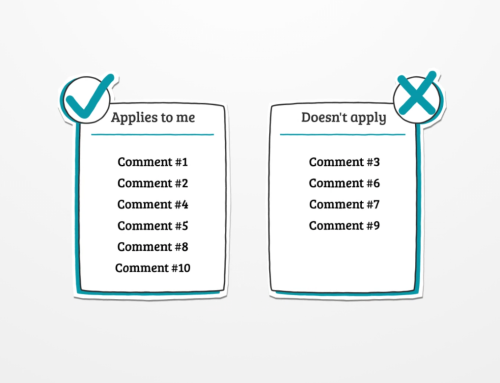
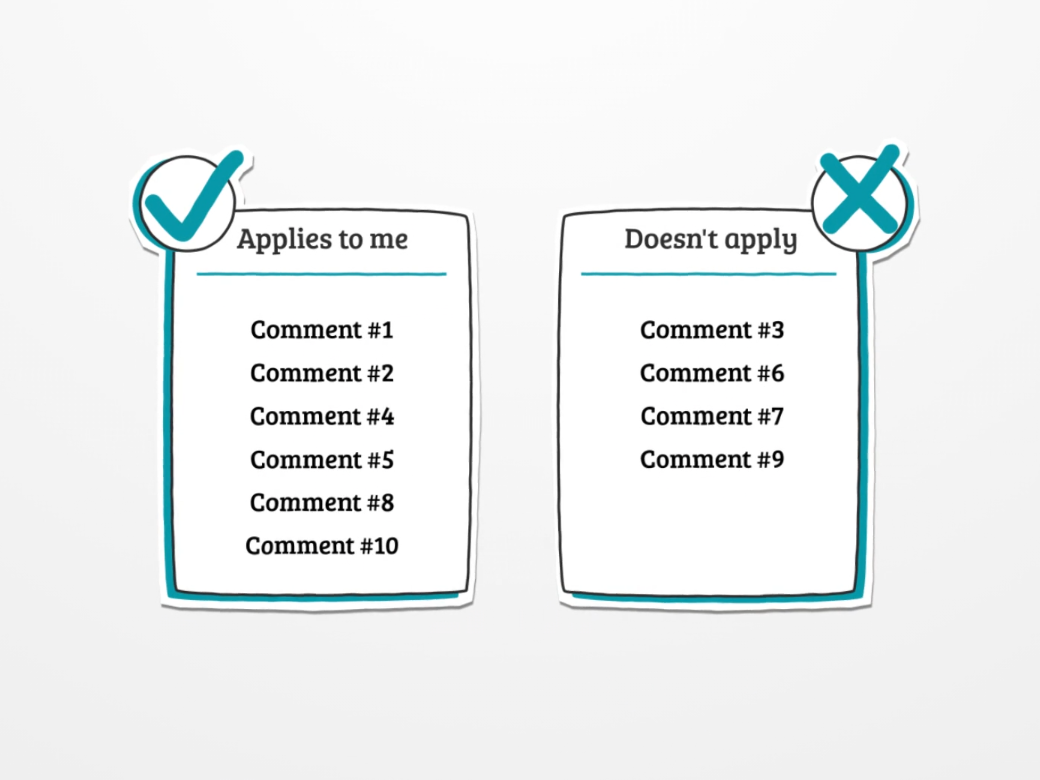
If your peer is someone who’s completed the same assignment or task as you, then they might have received feedback too. Comparing notes in a constructive way can be really helpful. It’s not about competing, or deciding who “got the better feedback,” but about sharing experiences and helping each other to understand what the feedback means and how to act on it.
These conversations don’t have to be someone with specialist knowledge or expertise, though. A friend or family member might simply listen while you talk through your reactions to your feedback. They might then help you reframe your response and provide advice about whether it sounds sensible. They could also remind you of your goals and help you stay accountable to the changes you want to make.
Sometimes, your peer might even be willing to look at your work and the feedback you received. That can lead to more specific insights—like helping you figure out which parts of your work needed greater attention to detail, or how you could clarify a key point. A second pair of eyes can make all the difference.
These conversations work best when you deliberately create space for honesty. Sometimes your peers will avoid saying what they really think because they don’t want to upset you. So let them know what kind of support you’re looking for—whether that’s encouragement, practical suggestions, or a reality check—and reassure them that you’re open to their honest thoughts.
Ultimately, peer conversations can’t make the hard parts of feedback disappear. But they can help you process your feedback more calmly, and figure out how to move forward with a little more clarity and confidence.

 Practice Activity
 Practice Activity