DOWNLOAD TRANSCRIPT: Click here
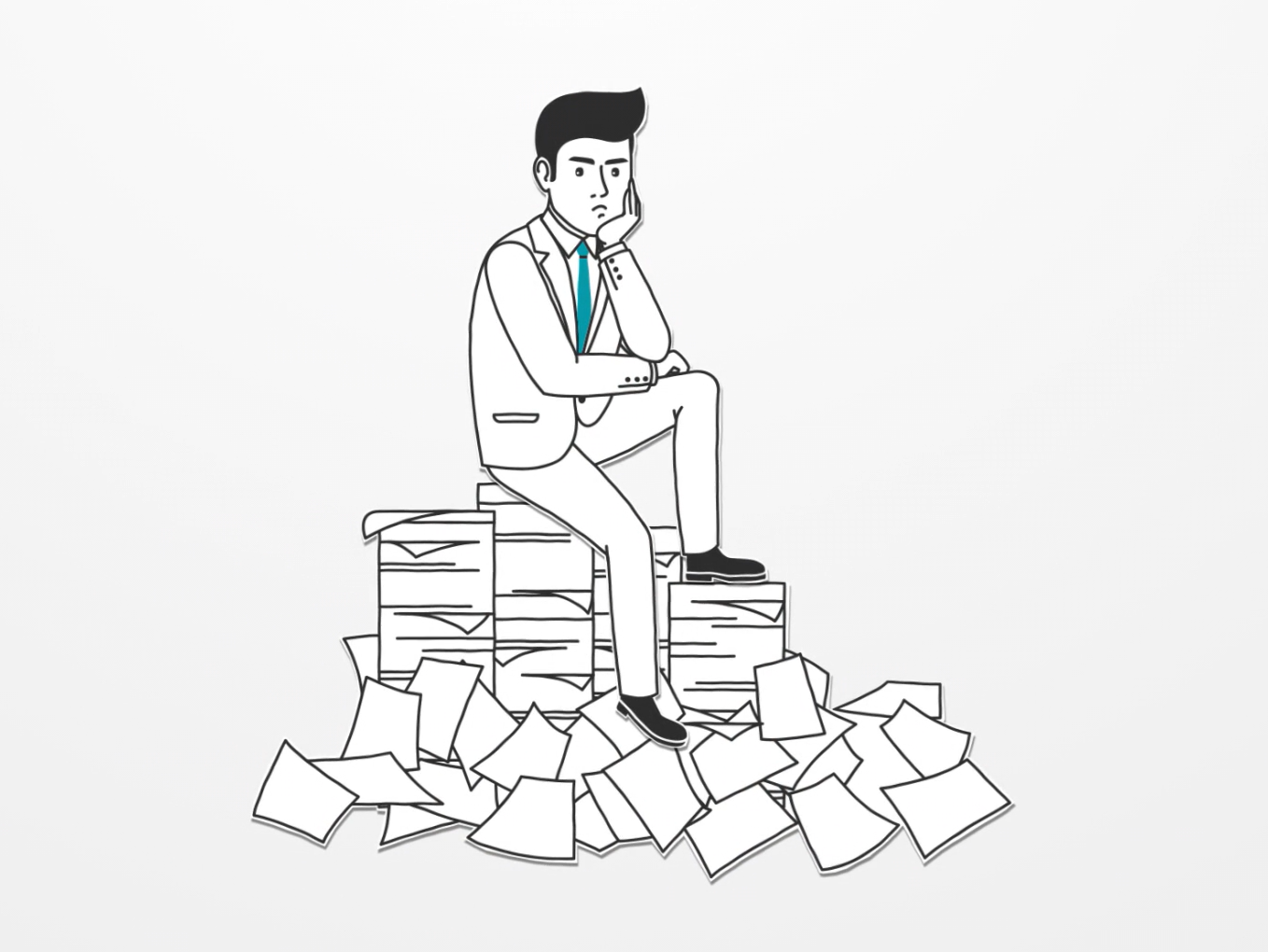
TRANSCRIPT: Sometimes, you might receive feedback that feels wrong or that you disagree with, and so ignoring it might seem like your only option. But by doing that, you could end up missing valuable insights.
Ask yourself: is your initial reaction clear-sighted, or clouded by your emotions? It’s natural to feel defensive when feedback seems unfair or personal. But this defensiveness can prevent you from recognising valid points. So reflect first on *why* you disagree, and how certain you are that the feedback is wrong. Would everyone else agree?
Avoid the instinct to dismiss all of your feedback outright, just because one or two specific comments seem off the mark. Instead, sift through the feedback, comment by comment, to identify any valid points, even if they’re initially hard to spot.
Also, remember that even if your feedback genuinely is incorrect, it might still contain clues for your improvement. For example, if the feedback-giver suggests that you missed out an essential point in your work, but you know it’s actually there, resist the urge to treat the feedback as useless. Instead, ask yourself why they missed it, or why they’ve misunderstood. Perhaps in future you could put more emphasis on your key points, and cut back on things that are less important.
That said, it’s okay to reject feedback when it’s genuinely unhelpful. Not all advice is equally valid, and part of professional development is learning how to figure out what’s worth acting on. Just make sure that this judgement comes after thoughtful consideration, not as a knee-jerk reaction made in frustration. If you’ve taken time to reflect on the feedback and you still feel confident that it’s not useful, it’s usually fine to respectfully disagree and decline to act. What matters is the reasoning process behind your decision, because this process often clarifies ways for you to improve too.
In summary, effectively handling feedback you disagree with means staying open-minded and reflective. Pause to examine why you disagree, consider what you can still learn from the feedback regardless, and decide carefully whether to act on it or let it go, and why. By doing so, even feedback that feels wrong can be invaluable.

 Practice Activity
 Practice Activity