DOWNLOAD TRANSCRIPT: Click here
TRANSCRIPT: One of the biggest reasons why people fail to learn from feedback is that they do not take it in at all. When they receive written feedback, for example, students sometimes do not even look at or pay attention to it, and when they do pay attention to the comments, they often forget them within a matter of days. Why do people ignore or fail to take in feedback—especially when it’s clearly meant to help us?
Maybe the feedback feels critical. Maybe it touches a nerve. But sometimes we’re reacting not to the feedback itself, but to the feelings we think it might cause us. Maybe we worry that if we open that feedback document or listen to that commentary, we’ll feel judged or we’ll be told to do something we don’t want to do. So instead of facing our discomfort, we avoid the feedback altogether—just in case it stings or makes us feel guilty.
And it’s not just critical feedback that gets ignored. Even positive feedback is sometimes dismissed. People often think, “Well, that’s good—I don’t need to do anything with that.” But actually, praise can tell you what’s working—what to repeat, develop, or apply elsewhere.
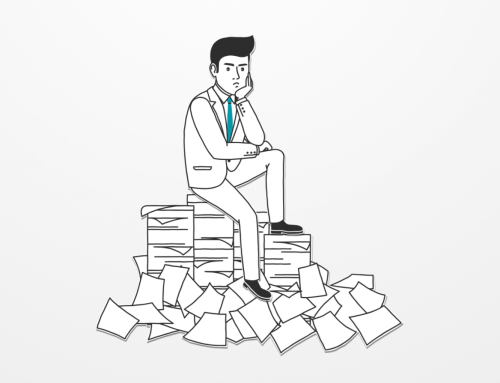
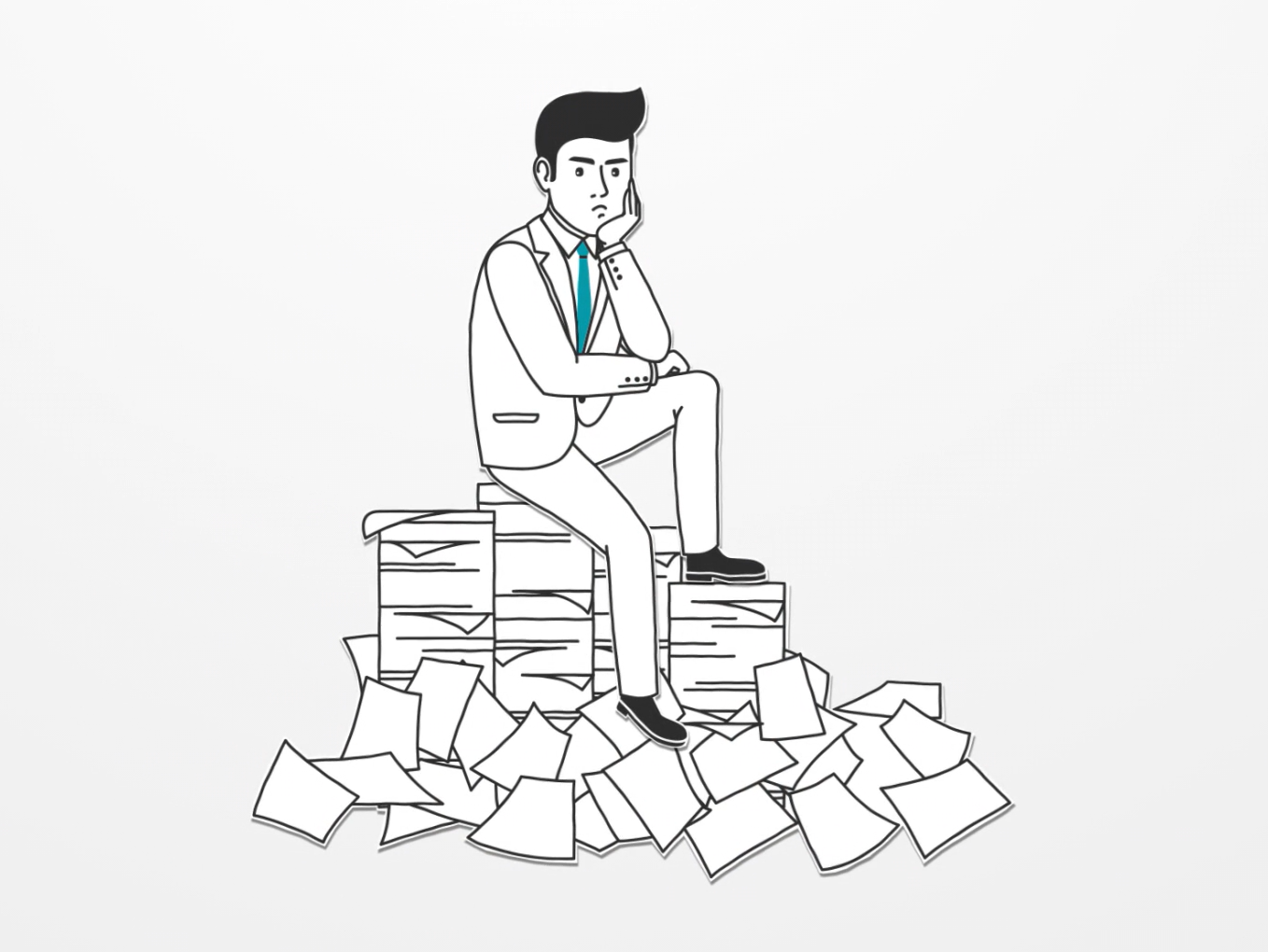
Another common reason why people avoid feedback? Time. If you’re busy, it’s tempting to think that spending time on reviewing your feedback isn’t worth it, especially if you won’t be completing that same assignment again. But if you don’t learn from the feedback, then you might waste your time repeating the same mistakes—or missing the same opportunities—all over again. In fact, the time you spend understanding your feedback can sometimes be more valuable than the time you spend working on the next task. Because it helps ensure your future efforts are targeted and effective: without it, you’re left guessing.
So, it’s a good idea to have a plan for using your feedback. If it doesn’t feel relevant right now, or you don’t have time, then that’s okay—but don’t lose it. Make a note of your feedback somewhere. Or schedule a time before long when you will come back to it. The key idea here is: if not now, then when?
In short, taking the time to look at your feedback now—even just for a few minutes—can open up a chance for you to develop faster, work more efficiently, and get better results with less time wasted on guesswork in the future.
 Practice Activity
 Other languages