DOWNLOAD TRANSCRIPT: Click here
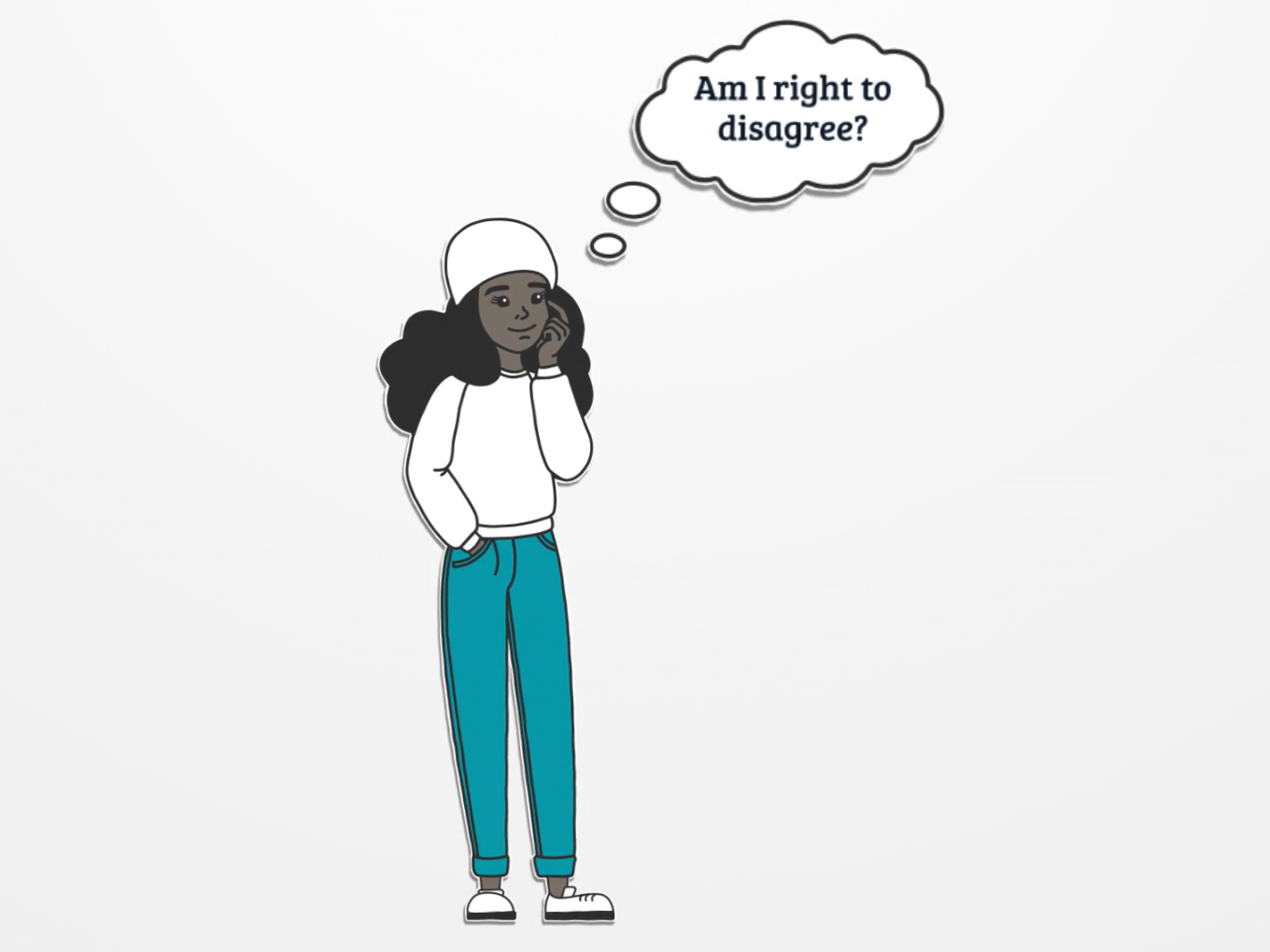
TRANSCRIPT: People often complain that their feedback seems inconsistent. One person tells you one thing, but someone else says the opposite. Or, a teacher highlights a strength of your work, but then elsewhere appears to criticise that same aspect of your work. What should you do?
It helps to remember that unless it’s about a clear factual error, feedback usually reflects someone’s advice, or their perspective. This means that different people may highlight different things, even when assessing the same work. Inconsistencies do not necessarily mean the feedback is wrong or worthless.
It’s worth asking: is it actually inconsistent, or is it just different? Sometimes, comments seem to conflict when in fact they’re just focused on different goals or expectations. For example, one assessor might focus on originality, while another focuses on clarity. These aren’t necessarily contradictions—they’re just different priorities. Another assessor might express a need for more detail, but later the very same assessor might say you need to be more concise. These comments seem conflicting, but they might actually point to a need for greater selectivity—including enough relevant details to support key points, while trimming down anything less important.
You might notice your feedback shifting over time, too. Early in your learning process, you might be told you’re showing good creativity. But then later, you’re told to show more. That may just be a sign that the standards have risen as you progressed. What once was “good” may no longer be “good enough.”
That said, sometimes feedback is genuinely conflicting. When this happens, don’t rush to dismiss the comments. Instead, ask yourself:
- Could both viewpoints be valid? Might they relate to different aspects of your work, or come from different perspectives that are both worth listening to?
- Does one viewpoint align more with your own judgement of your work?
- In some cases, an assessor may have simply misunderstood your work. But even then, if your point wasn’t clear to them, perhaps someone else could make the same mistake, so could you be clearer next time?
In summary, inconsistent feedback can be frustrating—but it also challenges you to think critically, reflect on your own judgement, and learn to navigate different expectations. That’s a vital skill—not just for study, but for life beyond it too.

 Practice Activity
 Takeaway Tool