DOWNLOAD TRANSCRIPT: Click here
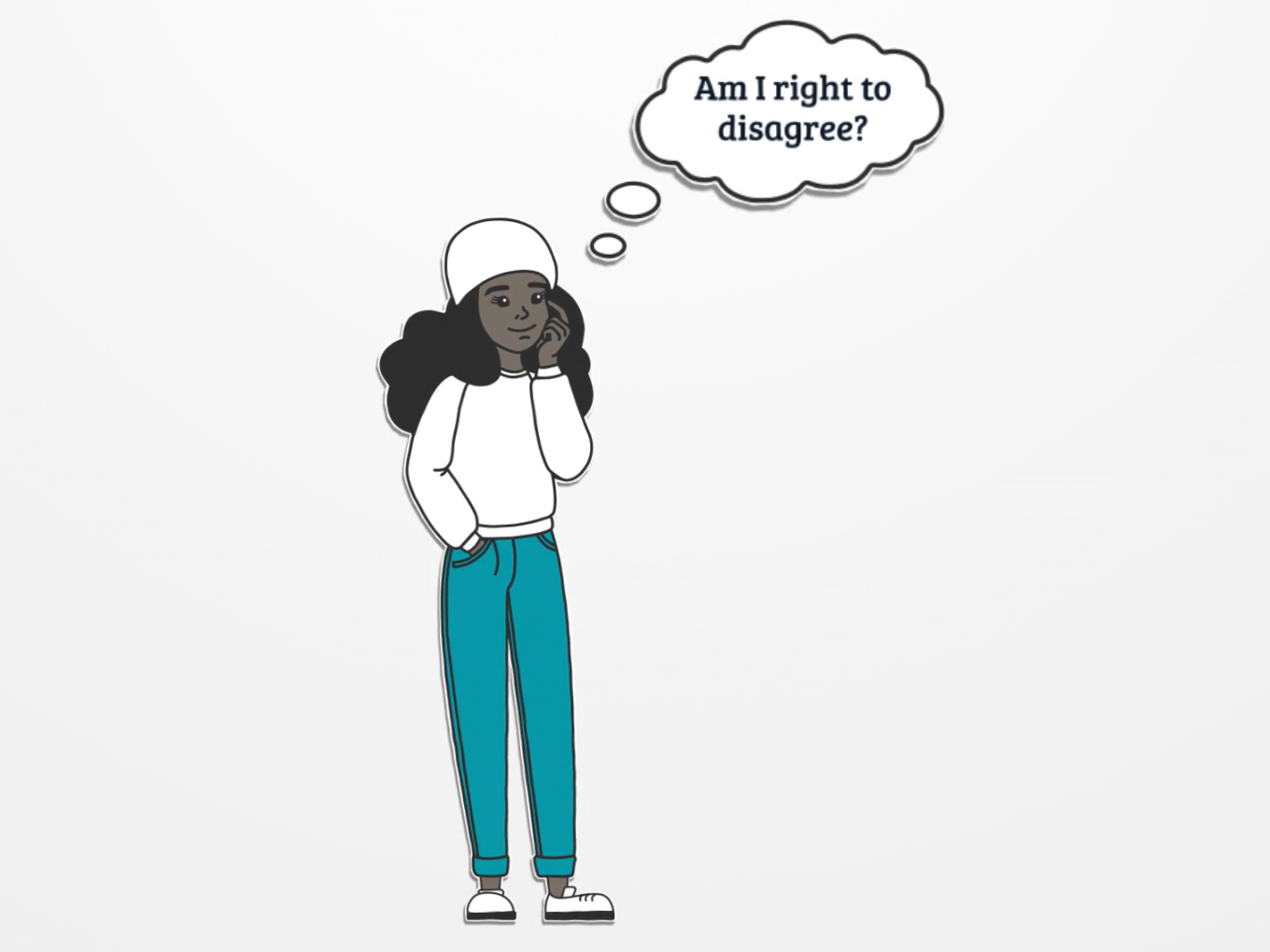
TRANSCRIPT: It sometimes feels like using feedback to improve just doesn’t work. You might try a new approach, put in real effort, and still not see your grades going up, or you might see the same critical comments appearing again and again regardless. It’s easy, in moments like that, to feel stuck. To think: “Maybe I just can’t change.”
But often, what’s missing isn’t our ability to improve, it’s our ability to see where and how we are improving, even if only gradually. When we don’t see immediate or quick results, we can start to believe our efforts were wasted. Yet in reality, change often takes time. So it’s normal to need several attempts—and several rounds of receiving and acting on feedback—before progress starts to be obvious. It’s also worth remembering that the people who assess your work and who give you feedback may not always have seen—or may not remember—your previous work, and so their comments might not highlight your improvements. But that doesn’t mean you haven’t made progress.
That said, if you’re seeing no improvement over the long term, then it might be time to rethink your strategies. Feedback isn’t just something to act on only once. So if one approach to improving your performance clearly isn’t working, ask yourself what else could you try? Which new techniques or perspectives might help, or who could suggest ideas? Sometimes the key to progress is finding a different route to the same end-goal, rather than giving up or persisting with something that clearly isn’t working.
One helpful habit is to track which strategies you’ve tried and what impact they have had. Keeping a log of your feedback journey can help you see progress over time, even when it’s subtle, and can help you to pay closer attention to what’s working and what isn’t. It can also act as a valuable reminder that you have improved before—and how you did it—and that you can therefore improve further.
This is why having a range of strategies is so important. Feeling powerless often comes from not knowing what to do next. But with tools, plans, and support—from teachers, peers, or even from your own reflections—you can find a way forward.
In the end, feeling able to change comes from recognising that improvement is possible—even if it’s hard work, and even if it’s slow. Feedback is what can help you get there.

 Practice Activity